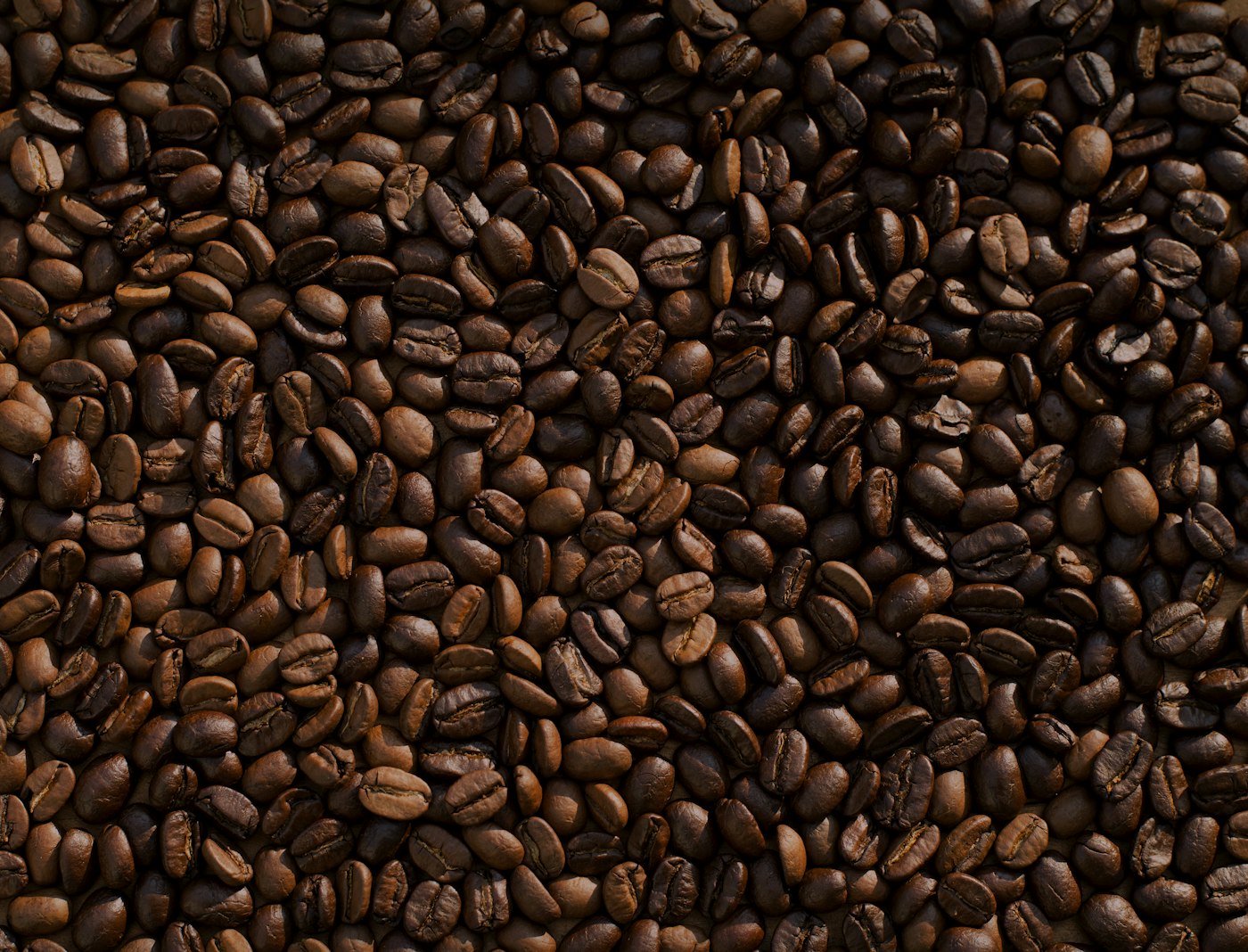
There's a moment during roasting when everything changes. The beans crack, releasing oils that have traveled thousands of miles to reach our Alpine workshop. That sound, that precise second, determines whether you'll taste notes of caramel or hints of burnt disappointment.
Most people never think about this. They shouldn't have to. But someone must, and in the valleys near Zurich, we've been perfecting that moment for over two decades.
The Problem Nobody Talks About
Walk into any café in Geneva or Basel. Order an espresso. What you're likely getting is coffee that was roasted weeks ago, sometimes months, sitting in warehouses losing everything that made it special.
The industry accepts this. Efficiency demands it. Large-scale roasters process thousands of kilograms daily, prioritizing shelf life over flavor complexity. By the time those beans reach your cup, the volatile compounds that create aroma have long evaporated.
We watched this happen for years before deciding there had to be another way.
Origin-Specific Roasting
Every coffee-growing region produces beans with distinct cellular structures. High-altitude beans from Kenya are denser, requiring longer roasting times. Low-altitude beans from Brazil are softer, more delicate.
We map each origin's characteristics before roasting. Moisture content, bean density, initial color—these variables inform the profile we create. A Guatemalan Antigua gets developed differently than a Sumatran Mandheling, because their chemical compositions demand it.
How We Work With You
Whether you're opening your first café or you've been serving coffee for decades, our approach stays consistent: understand your needs, match them to the right beans, deliver freshly roasted batches on your schedule.
Single-Origin Selection
Curated beans from one specific farm or region, roasted to highlight their unique characteristics. We source directly from producers we've visited personally, ensuring traceability and quality standards that most importers skip.
Starting at CHF 28.50 per kilogram
House Blend Development
Custom blend creation tailored to your taste preferences or business requirements. We test multiple combinations, adjust ratios, and refine the profile until it matches your vision. The process typically spans three weeks.
CHF 42.00 per kilogram
Espresso-Optimized Roasting
Specialized roasting for espresso machines, developed to work with modern extraction pressures. We account for your equipment type, water hardness, and desired flavor profile. Includes initial consultation and recipe adjustments.
CHF 36.75 per kilogram
Filter Coffee Profiles
Lighter roasts designed for pour-over, drip brewers, and French press methods. These profiles emphasize clarity and brightness, allowing origin characteristics to remain prominent without roast flavors dominating.
CHF 31.25 per kilogram
Decaffeinated Options
Swiss Water Process decaffeinated beans, roasted with the same attention as caffeinated varieties. We work with processors who remove caffeine without chemical solvents, preserving the bean's inherent flavors.
CHF 39.50 per kilogram
Subscription Roasting
Regular deliveries of freshly roasted coffee on a schedule that matches your consumption. We adjust quantities based on your feedback, rotating origins seasonally or maintaining consistency year-round, depending on your preference.
From CHF 26.80 per kilogram
Why Freshness Can't Be Negotiated
Coffee begins degrading the moment roasting finishes. Oxygen exposure initiates oxidation, breaking down the aromatic compounds that define flavor. Within 48 hours, you've lost approximately 20% of the volatile elements. By two weeks, over half.
Research published in the Journal of Food Science confirms this degradation timeline[1]. The study tracked flavor compound loss in roasted coffee over 30 days, documenting significant declines in sensory scores after the first week.
This is why we roast to order. Your coffee ships within 24 hours of roasting, typically arriving at your location while it's still in what roasters call the "degassing phase"—when CO2 release is active and flavors are stabilizing.
"We were buying from a major supplier for three years. Switched to Swiss Roastery last April after tasting the difference at a trade show. Our customers noticed immediately—several asked if we changed our equipment. We only changed the beans."
— Café owner in Lausanne
The Swiss Water Process Difference
Most decaffeinated coffee tastes flat because chemical solvents strip away flavor compounds along with caffeine. The Swiss Water Process, developed in Switzerland and refined over decades, uses only water and activated carbon filters.
Beans soak in water that's already saturated with coffee flavor compounds. Caffeine molecules pass through, but flavor compounds don't—they're already at equilibrium. The result is decaf that actually tastes like coffee.
Studies in the International Journal of Food Sciences show Swiss Water Process retains up to 94% of original flavor compounds[2], compared to 60-70% retention in solvent-based methods.
Start Your First Order
Tell us what you're looking for, and we'll help match you to the right roasting service. Most clients start with a sample order of 5 kilograms to test profiles before committing to larger quantities.