How We Started Roasting Coffee Differently
In 2002, there wasn't a shortage of coffee roasters in Switzerland. There was a shortage of roasters who cared about where the beans came from and how origin characteristics shaped roasting decisions.
We started in a small workshop near Zurich, working with a 12-kilogram roaster that required manual temperature adjustments every 90 seconds. The learning curve was steep. Early batches ranged from underdeveloped to scorched, teaching us that roasting wasn't just about applying heat—it was about understanding how different beans respond to thermal energy.
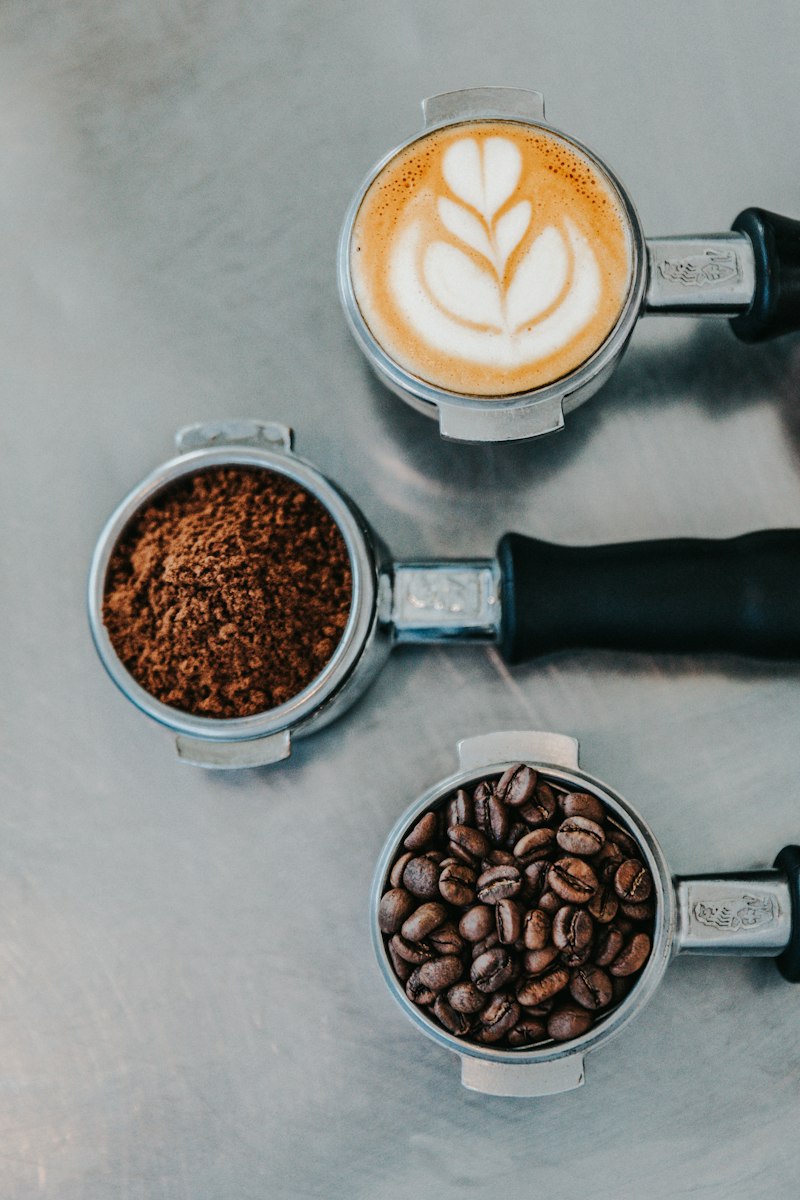
The Colombian Farm Visit
Everything changed during a 2008 trip to Colombia's coffee-growing regions. We visited a farm in Huila where the producer walked us through his selection process. He rejected beans that looked identical to our untrained eyes, explaining subtle density differences that would impact how they roasted.
That week, we cupped coffee from five different farms, all within 30 kilometers of each other. The flavor variations were striking—some had bright citrus acidity, others showed chocolate sweetness. Same region, same altitude range, dramatically different taste profiles.
We realized our roasting approach back home treated all beans uniformly, ignoring these inherent differences. The farm visit forced us to rethink everything.
Developing Origin-Specific Profiles
Back in Switzerland, we began documenting every origin's characteristics before roasting. Ethiopian beans typically required different time-temperature curves than Brazilian beans. Kenyan coffees needed higher finishing temperatures than Guatemalan ones.
This meant abandoning efficiency. Instead of running the same profile repeatedly, we adjusted parameters for each origin. Batch sizes decreased. Roasting time increased. But the resulting coffee finally expressed what those farms had cultivated.
Why We Work With Specific Farms
Around 2014, we stopped buying from commodity importers. The supply chain was too opaque—we couldn't trace beans to specific producers, which made origin-specific roasting impossible when you don't actually know the origin.
Now we source from farms we've visited or from cooperatives with transparent traceability systems. We know which processing method was used, at what altitude the coffee grew, when it was harvested. This information determines our roasting decisions.
It costs more. Small-farm coffee commands higher prices, and direct relationships mean we can't simply switch suppliers when someone offers cheaper beans. But consistency matters more than cost savings when you're trying to deliver predictable quality.
The Equipment Evolution
Our current roaster allows precise airflow control and real-time bean temperature monitoring. We can adjust heat application during the roast, responding to how individual batches develop rather than following rigid presets.
This wasn't always possible. Earlier equipment offered limited control, forcing us to compensate through batch size adjustments and environmental factors. Modern technology hasn't made roasting easier—it's revealed how much complexity we were missing.
What We Learned From Mistakes
In 2016, we experimented with faster roasting times, trying to increase daily output. The resulting coffee tasted flat. Customers noticed immediately. We spent three months rebuilding our reputation with the accounts we'd supplied subpar beans to.
That experience reinforced a principle: roasting speed serves the roaster's convenience, not the coffee's potential. Some origins need 14 minutes, others need 18. Trying to standardize timing was a mistake driven by business pressure rather than quality considerations.
Current Approach
Today we roast approximately 200 kilograms weekly, supplying cafés, restaurants, and offices throughout Switzerland. Every batch gets cupped before shipping. If something doesn't meet our standards, we don't send it.
We maintain detailed roasting logs for every origin, tracking how profiles perform across different harvest seasons. Coffee from the same farm can vary year to year based on weather patterns, requiring profile adjustments we can only make because we've documented previous roasts.
This level of attention doesn't scale efficiently. We're aware. But after two decades of refining our approach, we're not interested in compromising what works for the sake of volume growth.